BEGIN:VCALENDAR
VERSION:2.0
PRODID:-//jEvents 2.0 for Joomla//EN
CALSCALE:GREGORIAN
METHOD:PUBLISH
BEGIN:VEVENT
UID:cdbec1ce5cd3a3ed2ae95617b27328e4
CATEGORIES:Central America
CREATED:20170802T115453
SUMMARY:Costa Rica
DESCRIPTION: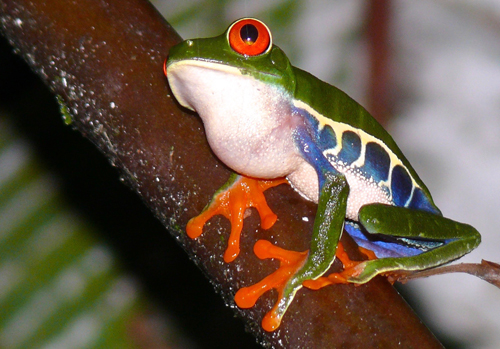 We invite you to explore Costa Rica’s scenic network of national parks an
d wildlife preserves from lowland rain forest to the northernmost páramo—or
tropical alpine zone—in Central America. A population of nearly 100 Scarle
t Macaws inhabits Carara National Park. Carara is also the home of Baird’s
Trogons, Fiery-billed Araçaris, Orange-collared Manakins, and perhaps the f
inest lowland birding in the entire country. At our accommodations adjacent
to Carara our groups are frequently treated to Scarlet Macaws flying overh
ead to roost in the late afternoon. High on the Cordillera Talamanca the Rí
o Savegre has emerged as a reliable location for the Resplendent Quetzal. P
ast groups have had saturation looks of these fabulous birds, reputedly the
most beautiful species in the Western Hemisphere. Aside from quetzals, at
the Río Savegre we’ll also search for handsome little Flame-throated Warble
rs, Long-tailed Silky-Flycatchers, and elusive Wrenthrushes (or Zeledonias)
. Across the continental divide, Rancho Naturalista is located in the footh
ills on the southern Caribbean slope. Overlooking the Tuis River Valley, th
e lodge has earned a reputation as the best location in Costa Rica to see a
Snowcap, a deep purple little hummingbird with a white crown and a white t
ail. It is just one of 15 species of hummingbirds that exploit the Rancho’s
feeders and lush plantings. Other birds we may encounter at Rancho Natural
ista include Purplish-backed Quail-Dove, Brown-billed Scythebill, Tawny-che
sted Flycatcher, White-ruffed and White-collared Manakins, and the stunning
velvet black-and-crimson red Passerini’s Tanager (half of the former “Scar
let-rumped Tanager” complex). While at the Rancho we’ll also enjoy the thro
ngs of birds patronizing the fruit and rice feeders at sunrise. Great cooki
ng combined with great birding makes the Rancho the perfect base for explor
ing the bird-rich foothill zone of the Cordillera Central. Some 400 species
of birds are known from La Selva field station in the lowland Caribbean ra
in forest, including Great Tinamou, Great Potoo, Long-tailed Tyrant, Garter
ed (Violaceous) Trogon, and the beautiful Snowy Cotinga. Many of our groups
at La Selva have been rewarded with views of both King Vulture and Great G
reen Macaw. At the Monteverde Cloud Forest, the “Blue-throated” subspecies
of Emerald Toucanets have to compete for attention at this Quaker sanctuary
with a rainbow of hummingbirds and gorgeous array of orchids and tree fern
s. Including the jewels at Monteverde, past groups have seen a total of ove
r 30 species of hummingbirds along this route. Mealy Parrots, Chestnut-mand
ibled Toucans, Blue-crowned Motmots, and graceful ballets performed by grou
ps of Swallow-tailed Kites are just a few other examples of the bird riches
we can expect on our trip to this enchanting Central American democracy. A
pproximately 880 species occur here, more than are found in all the United
States, Canada, and Alaska combined—although little Costa Rica is only abou
t the land area of two Arizona counties. Mammals we will look for include t
hree kinds of monkeys, Coatis, Kinkajous, Agouti, Collared Peccaries, two d
ifferent sloths, Southern River Otters, and possibly Tamandua—the Saddle-ba
ck Anteater. Ungainly Iguanas are common in the lowlands and American Croco
diles are almost certain near Carara. Approximately 12 percent of Costa Ric
a has been dedicated to their National Park system, twice the amount protec
ted in the United States. Our tour has been deliberately set during the “of
f-season” for tourists, when temperatures are 10-15°F cooler than the windy
dry season that corresponds to the North American spring. Many of the resi
dent tropical birds will still be breeding and others will be feeding newly
fledged young. Our beautiful accommodations vary from backcountry lodges a
djacent to parks designed for ecology groups like ours, to modern hotels wi
th full amenities.
We invite you to explore Costa Rica’s scenic network of national parks an
d wildlife preserves from lowland rain forest to the northernmost páramo—or
tropical alpine zone—in Central America. A population of nearly 100 Scarle
t Macaws inhabits Carara National Park. Carara is also the home of Baird’s
Trogons, Fiery-billed Araçaris, Orange-collared Manakins, and perhaps the f
inest lowland birding in the entire country. At our accommodations adjacent
to Carara our groups are frequently treated to Scarlet Macaws flying overh
ead to roost in the late afternoon. High on the Cordillera Talamanca the Rí
o Savegre has emerged as a reliable location for the Resplendent Quetzal. P
ast groups have had saturation looks of these fabulous birds, reputedly the
most beautiful species in the Western Hemisphere. Aside from quetzals, at
the Río Savegre we’ll also search for handsome little Flame-throated Warble
rs, Long-tailed Silky-Flycatchers, and elusive Wrenthrushes (or Zeledonias)
. Across the continental divide, Rancho Naturalista is located in the footh
ills on the southern Caribbean slope. Overlooking the Tuis River Valley, th
e lodge has earned a reputation as the best location in Costa Rica to see a
Snowcap, a deep purple little hummingbird with a white crown and a white t
ail. It is just one of 15 species of hummingbirds that exploit the Rancho’s
feeders and lush plantings. Other birds we may encounter at Rancho Natural
ista include Purplish-backed Quail-Dove, Brown-billed Scythebill, Tawny-che
sted Flycatcher, White-ruffed and White-collared Manakins, and the stunning
velvet black-and-crimson red Passerini’s Tanager (half of the former “Scar
let-rumped Tanager” complex). While at the Rancho we’ll also enjoy the thro
ngs of birds patronizing the fruit and rice feeders at sunrise. Great cooki
ng combined with great birding makes the Rancho the perfect base for explor
ing the bird-rich foothill zone of the Cordillera Central. Some 400 species
of birds are known from La Selva field station in the lowland Caribbean ra
in forest, including Great Tinamou, Great Potoo, Long-tailed Tyrant, Garter
ed (Violaceous) Trogon, and the beautiful Snowy Cotinga. Many of our groups
at La Selva have been rewarded with views of both King Vulture and Great G
reen Macaw. At the Monteverde Cloud Forest, the “Blue-throated” subspecies
of Emerald Toucanets have to compete for attention at this Quaker sanctuary
with a rainbow of hummingbirds and gorgeous array of orchids and tree fern
s. Including the jewels at Monteverde, past groups have seen a total of ove
r 30 species of hummingbirds along this route. Mealy Parrots, Chestnut-mand
ibled Toucans, Blue-crowned Motmots, and graceful ballets performed by grou
ps of Swallow-tailed Kites are just a few other examples of the bird riches
we can expect on our trip to this enchanting Central American democracy. A
pproximately 880 species occur here, more than are found in all the United
States, Canada, and Alaska combined—although little Costa Rica is only abou
t the land area of two Arizona counties. Mammals we will look for include t
hree kinds of monkeys, Coatis, Kinkajous, Agouti, Collared Peccaries, two d
ifferent sloths, Southern River Otters, and possibly Tamandua—the Saddle-ba
ck Anteater. Ungainly Iguanas are common in the lowlands and American Croco
diles are almost certain near Carara. Approximately 12 percent of Costa Ric
a has been dedicated to their National Park system, twice the amount protec
ted in the United States. Our tour has been deliberately set during the “of
f-season” for tourists, when temperatures are 10-15°F cooler than the windy
dry season that corresponds to the North American spring. Many of the resi
dent tropical birds will still be breeding and others will be feeding newly
fledged young. Our beautiful accommodations vary from backcountry lodges a
djacent to parks designed for ecology groups like ours, to modern hotels wi
th full amenities.
Leaders:<
/strong> Carlo
s "Charlie" Gómez & John Yerger
Cost of Costa Rica includes all accommodations, all mea
ls, all transportation, and all entrances beginning and ending in San José,
Costa Rica—$4495.
Photo: Red-eyed Tree Frog
Photo by:&nb
sp; Rick Taylor
X-ALT-DESC;FMTTYPE=text/html: We invite you to explore Costa Rica’s sce
nic network of national parks and wildlife preserves from lowland rain fore
st to the northernmost páramo—or tropical alpine zone—in Central America. A
population of nearly 100 Scarlet Macaws inhabits Carara National Park. Car
ara is also the home of Baird’s Trogons, Fiery-billed Araçaris, Orange-coll
ared Manakins, and perhaps the finest lowland birding in the entire country
. At our accommodations adjacent to Carara our groups are frequently treate
d to Scarlet Macaws flying overhead to roost in the late afternoon. High on
the Cordillera Talamanca the Río Savegre has emerged as a reliable locatio
n for the Resplendent Quetzal. Past groups have had saturation looks of the
se fabulous birds, reputedly the most beautiful species in the Western Hemi
sphere. Aside from quetzals, at the Río Savegre we’ll also search for hands
ome little Flame-throated Warblers, Long-tailed Silky-Flycatchers, and elus
ive Wrenthrushes (or Zeledonias). Across the continental divide, Rancho Nat
uralista is located in the foothills on the southern Caribbean slope. Overl
ooking the Tuis River Valley, the lodge has earned a reputation as the best
location in Costa Rica to see a Snowcap, a deep purple little hummingbird
with a white crown and a white tail. It is just one of 15 species of hummin
gbirds that exploit the Rancho’s feeders and lush plantings. Other birds we
may encounter at Rancho Naturalista include Purplish-backed Quail-Dove, Br
own-billed Scythebill, Tawny-chested Flycatcher, White-ruffed and White-col
lared Manakins, and the stunning velvet black-and-crimson red Passerini’s T
anager (half of the former “Scarlet-rumped Tanager” complex). While at the
Rancho we’ll also enjoy the throngs of birds patronizing the fruit and rice
feeders at sunrise. Great cooking combined with great birding makes the Ra
ncho the perfect base for exploring the bird-rich foothill zone of the Cord
illera Central. Some 400 species of birds are known from La Selva field sta
tion in the lowland Caribbean rain forest, including Great Tinamou, Great P
otoo, Long-tailed Tyrant, Gartered (Violaceous) Trogon, and the beautiful S
nowy Cotinga. Many of our groups at La Selva have been rewarded with views
of both King Vulture and Great Green Macaw. At the Monteverde Cloud Forest,
the “Blue-throated” subspecies of Emerald Toucanets have to compete for at
tention at this Quaker sanctuary with a rainbow of hummingbirds and gorgeou
s array of orchids and tree ferns. Including the jewels at Monteverde, past
groups have seen a total of over 30 species of hummingbirds along this rou
te. Mealy Parrots, Chestnut-mandibled Toucans, Blue-crowned Motmots, and gr
aceful ballets performed by groups of Swallow-tailed Kites are just a few o
ther examples of the bird riches we can expect on our trip to this enchanti
ng Central American democracy. Approximately 880 species occur here, more t
han are found in all the United States, Canada, and Alaska combined—althoug
h little Costa Rica is only about the land area of two Arizona counties. Ma
mmals we will look for include three kinds of monkeys, Coatis, Kinkajous, A
gouti, Collared Peccaries, two different sloths, Southern River Otters, and
possibly Tamandua—the Saddle-back Anteater. Ungainly Iguanas are common in
the lowlands and American Crocodiles are almost certain near Carara. Appro
ximately 12 percent of Costa Rica has been dedicated to their National Park
system, twice the amount protected in the United States. Our tour has been
deliberately set during the “off-season” for tourists, when temperatures a
re 10-15°F cooler than the windy dry season that corresponds to the North A
merican spring. Many of the resident tropical birds will still be breeding
and others will be feeding newly fledged young. Our beautiful accommodation
s vary from backcountry lodges adjacent to parks designed for ecology group
s like ours, to modern hotels with full amenities.
We invite you to explore Costa Rica’s sce
nic network of national parks and wildlife preserves from lowland rain fore
st to the northernmost páramo—or tropical alpine zone—in Central America. A
population of nearly 100 Scarlet Macaws inhabits Carara National Park. Car
ara is also the home of Baird’s Trogons, Fiery-billed Araçaris, Orange-coll
ared Manakins, and perhaps the finest lowland birding in the entire country
. At our accommodations adjacent to Carara our groups are frequently treate
d to Scarlet Macaws flying overhead to roost in the late afternoon. High on
the Cordillera Talamanca the Río Savegre has emerged as a reliable locatio
n for the Resplendent Quetzal. Past groups have had saturation looks of the
se fabulous birds, reputedly the most beautiful species in the Western Hemi
sphere. Aside from quetzals, at the Río Savegre we’ll also search for hands
ome little Flame-throated Warblers, Long-tailed Silky-Flycatchers, and elus
ive Wrenthrushes (or Zeledonias). Across the continental divide, Rancho Nat
uralista is located in the foothills on the southern Caribbean slope. Overl
ooking the Tuis River Valley, the lodge has earned a reputation as the best
location in Costa Rica to see a Snowcap, a deep purple little hummingbird
with a white crown and a white tail. It is just one of 15 species of hummin
gbirds that exploit the Rancho’s feeders and lush plantings. Other birds we
may encounter at Rancho Naturalista include Purplish-backed Quail-Dove, Br
own-billed Scythebill, Tawny-chested Flycatcher, White-ruffed and White-col
lared Manakins, and the stunning velvet black-and-crimson red Passerini’s T
anager (half of the former “Scarlet-rumped Tanager” complex). While at the
Rancho we’ll also enjoy the throngs of birds patronizing the fruit and rice
feeders at sunrise. Great cooking combined with great birding makes the Ra
ncho the perfect base for exploring the bird-rich foothill zone of the Cord
illera Central. Some 400 species of birds are known from La Selva field sta
tion in the lowland Caribbean rain forest, including Great Tinamou, Great P
otoo, Long-tailed Tyrant, Gartered (Violaceous) Trogon, and the beautiful S
nowy Cotinga. Many of our groups at La Selva have been rewarded with views
of both King Vulture and Great Green Macaw. At the Monteverde Cloud Forest,
the “Blue-throated” subspecies of Emerald Toucanets have to compete for at
tention at this Quaker sanctuary with a rainbow of hummingbirds and gorgeou
s array of orchids and tree ferns. Including the jewels at Monteverde, past
groups have seen a total of over 30 species of hummingbirds along this rou
te. Mealy Parrots, Chestnut-mandibled Toucans, Blue-crowned Motmots, and gr
aceful ballets performed by groups of Swallow-tailed Kites are just a few o
ther examples of the bird riches we can expect on our trip to this enchanti
ng Central American democracy. Approximately 880 species occur here, more t
han are found in all the United States, Canada, and Alaska combined—althoug
h little Costa Rica is only about the land area of two Arizona counties. Ma
mmals we will look for include three kinds of monkeys, Coatis, Kinkajous, A
gouti, Collared Peccaries, two different sloths, Southern River Otters, and
possibly Tamandua—the Saddle-back Anteater. Ungainly Iguanas are common in
the lowlands and American Crocodiles are almost certain near Carara. Appro
ximately 12 percent of Costa Rica has been dedicated to their National Park
system, twice the amount protected in the United States. Our tour has been
deliberately set during the “off-season” for tourists, when temperatures a
re 10-15°F cooler than the windy dry season that corresponds to the North A
merican spring. Many of the resident tropical birds will still be breeding
and others will be feeding newly fledged young. Our beautiful accommodation
s vary from backcountry lodges adjacent to parks designed for ecology group
s like ours, to modern hotels with full amenities.
Leaders: Carlos "Charlie
" Gómez & John Yerger
Cost of
Costa Rica includes all accommodations, all meals, all transportat
ion, and all entrances beginning and ending in San José, Costa Rica—
$4495.
Photo: Red-ey
ed Tree Frog
Photo by: Rick Taylor
DTSTAMP:20260812T061935
DTSTART;TZID=America/Phoenix;VALUE=DATE:20180701
DTEND;TZID=America/Phoenix;VALUE=DATE:20180714
SEQUENCE:0
TRANSP:OPAQUE
END:VEVENT
END:VCALENDAR 